

As the heart of your gaming rig or workstation, the CPU plays a crucial role in determining overall performance. When it comes to achieving a balanced and efficient system, pairing it with the right graphics card is essential. An incompatible duo can lead to a significant bottleneck, where one component restricts the potential of the other, accentuating performance issues that can affect gaming and productivity. Understanding how to evaluate compatibility between your processor and graphics card is key to building a system that runs smoothly and efficiently.
When considering a new graphics card upgrade or building a PC from scratch, using a PC bottleneck calculator can help you assess the strengths and weaknesses of your current hardware setup. This tool analyzes the specifications of your CPU and graphics card, showing how well they complement each other and identifying potential bottlenecks. By evaluating these compatibilities, you can make informed decisions that maximize performance, ensuring that your system not only meets but exceeds your graphic expectations.
Understanding CPU Bottlenecks
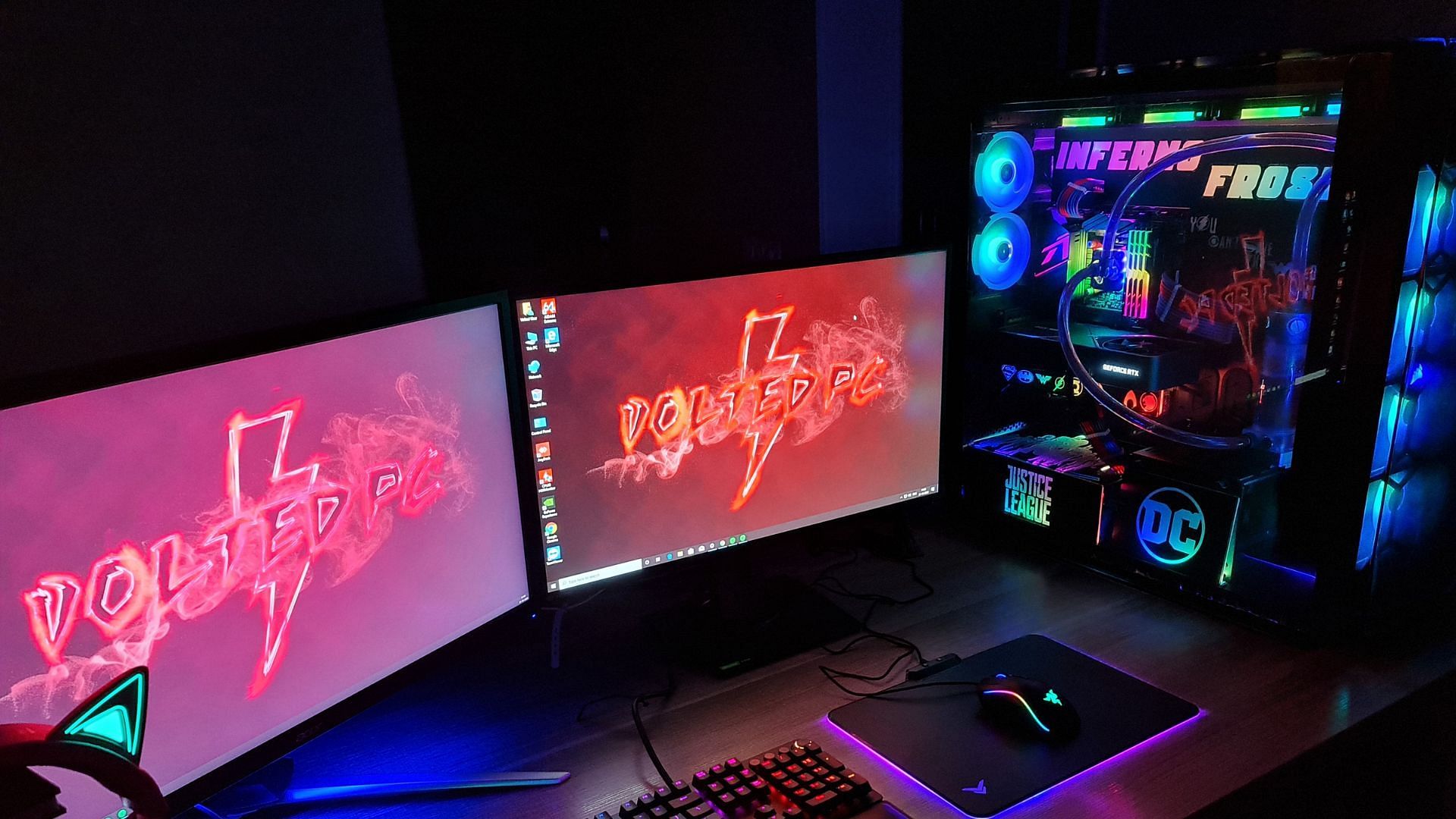
A CPU bottleneck occurs when your processor is unable to keep up with the demands of your graphics card, limiting the overall performance of your system. This situation can arise in various scenarios, especially during gaming or resource-intensive tasks where the CPU is tasked with processing data quickly for the GPU to render. When the CPU cannot deliver information fast enough, it causes delays, resulting in lower frame rates and a less responsive experience.
Identifying a CPU bottleneck requires analyzing the performance metrics of both the CPU and the graphics card. A high-end graphics card paired with a low to mid-tier CPU often leads to underutilization of the GPU. Tools like a PC bottleneck calculator can help users assess whether they are experiencing this issue by evaluating the workloads of both components. This assessment helps in making informed decisions about potential upgrades to achieve balance and optimal performance.
To alleviate CPU bottlenecks, consider upgrading your processor to one that matches the power of your graphics card. Additionally, ensuring that the system is well-optimized with updated drivers and software can improve performance. Gamers and creators should pay close attention to the balance between their CPU and GPU, as this harmony is crucial for achieving the best possible visual quality and smoothness in their applications.
Using a PC Bottleneck Calculator
A PC bottleneck calculator is a valuable tool for gamers and PC builders who want to ensure their system components work well together. By inputting specific details about the CPU and graphics card, users can evaluate if there will be performance limitations that could affect their overall gaming experience. The calculator takes into account factors such as clock speeds, core counts, and the capabilities of the graphics card to provide insights into potential bottlenecks.
Understanding the results from a bottleneck calculator can help you make informed decisions when selecting or upgrading components. If the calculator indicates a significant bottleneck, it may suggest that the CPU could be holding back the performance of the graphics card. In contrast, if the calculator shows a balanced compatibility, you can be more confident that your system will run smoothly, maximizing the potential of your games.
Using this tool is especially beneficial for those building a new gaming rig or upgrading an existing one. Identifying mismatches between the CPU and graphics card beforehand can save users time and money in the long run, as they can choose parts that match well together. Ultimately, gpuprices serves as an essential guide for achieving harmony in your gaming system, ensuring optimal performance in the titles you love.
Maximizing Performance Compatibility
To achieve the best possible performance from your gaming or workstation setup, it's crucial to ensure that your CPU and graphics card work harmoniously together. Each component plays a significant role in the overall capability of your system, and any imbalance can lead to performance issues known as bottlenecks. A bottleneck occurs when one part of your system is unable to keep up with another, often leading to underwhelming gaming experiences or workflow slowdowns. Utilizing tools such as a PC bottleneck calculator can help identify potential compatibility issues before you make any upgrades.
When selecting a graphics card, consider the specifications and performance metrics of your CPU. Different processors have varying strengths, and matching them with a compatible graphics card maximizes your system's efficiency. For example, if your CPU is on the slower side, pairing it with a top-of-the-line graphics card might result in the GPU being underutilized, negating its performance advantages. Conversely, an underpowered GPU can leave a powerful CPU waiting, which may result in subpar performance in graphics-intensive tasks.
Always take into account the intended use for your PC, whether it's gaming, content creation, or general productivity. Each use case will have different requirements when it comes to balancing CPU and GPU capabilities. Monitoring the workload and ensuring both components scale according to the demands of your applications can provide a smoother experience. Investing time in research and utilizing compatibility tools can help you create a well-balanced system that delivers optimal performance across the board.